Non-surgical treatment
Not every patient needs a procedure. The treatment plan and permitted activity depend on the type and age of the fracture and the person's condition.
A recent fracture requires an immediate consultation with a doctor.

Professor Iakiv Fishchenko · Kyiv
Vertebroplasty, balloon kyphoplasty and SpineJack
Not every fracture requires surgery. Treatment is selected after reviewing your symptoms and examinations.
Send CT/MRI scans for an initial reviewInitial review is free. A reply on the day your scans are received.
Send an archive containing the complete CT/MRI study, or a link to it, via Telegram or email. Include the patient's full name and a brief description of symptoms. How to prepare your scans

Understanding your diagnosis
A compression fracture damages the vertebral body and reduces its height. One possible cause is osteoporosis, which weakens the bone.
In people with osteoporosis, even a minor strain can cause a fracture. Both the fracture and the cause of bone weakness need to be assessed.
Which examinations help guide treatment? ↓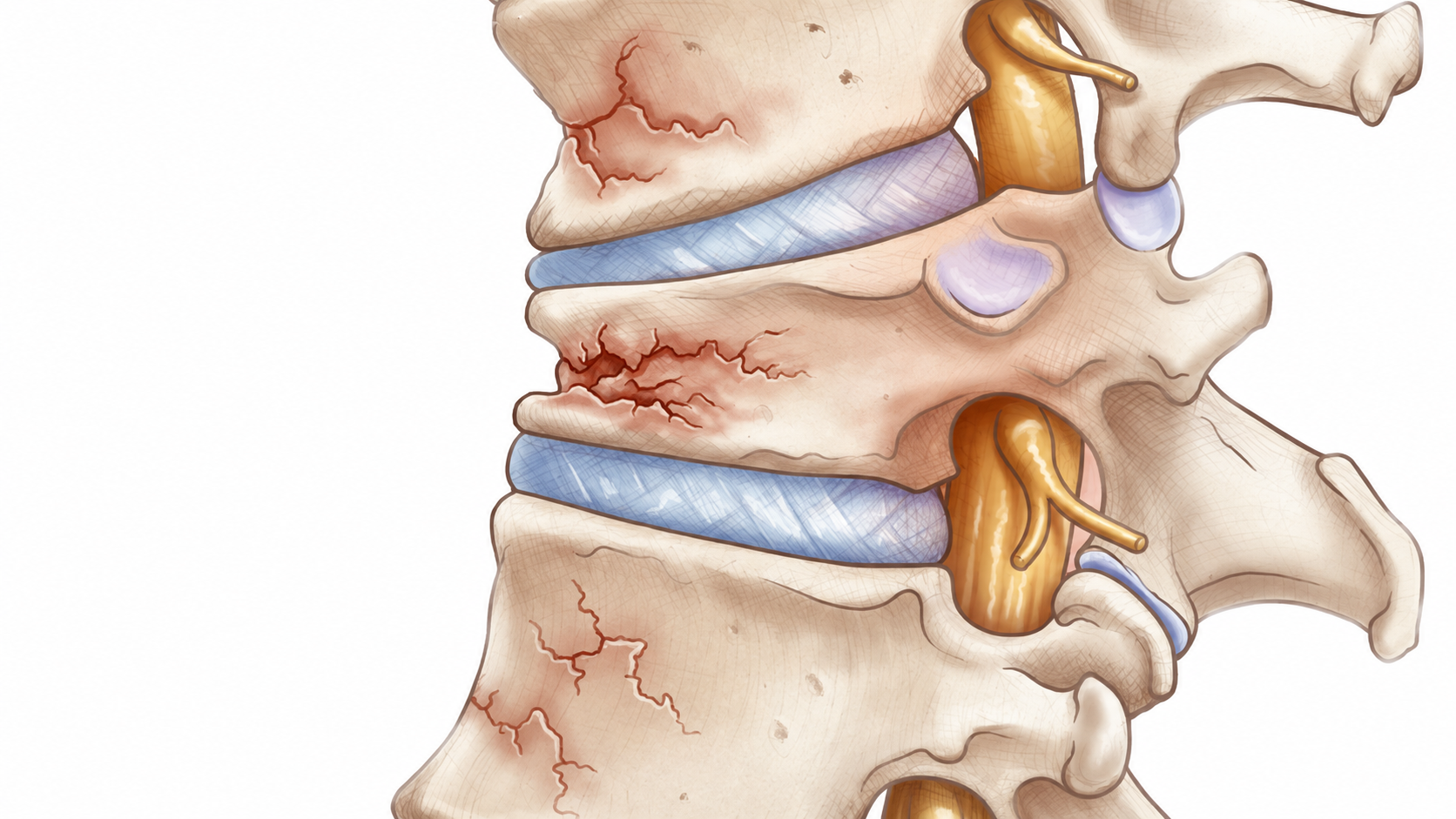
New leg weakness or numbness, problems with urination or bowel control, or a sudden deterioration in your condition require urgent medical attention.
Before choosing treatment
CT, MRI and any previous examinations help assess the fracture. The doctor determines which additional tests are needed.
You do not need to arrange every possible examination before your first enquiry.
Compress the entire contents of the disc into one archive, keeping all DICOM series. Send the archive or a link to it.
Include your surname, given name and patronymic, if applicable. Describe where and when the pain started, any injury and any treatment already prescribed.
Not every patient needs a procedure. The treatment plan and permitted activity depend on the type and age of the fracture and the person's condition.
A recent fracture requires an immediate consultation with a doctor.
These findings are assessed alongside CT/MRI scans and your overall condition. They do not automatically mean that surgery is needed.
Different mechanisms, an individual choice
The shared goal is to stabilise the damaged vertebra. Whether its height can be corrected depends on the individual fracture.
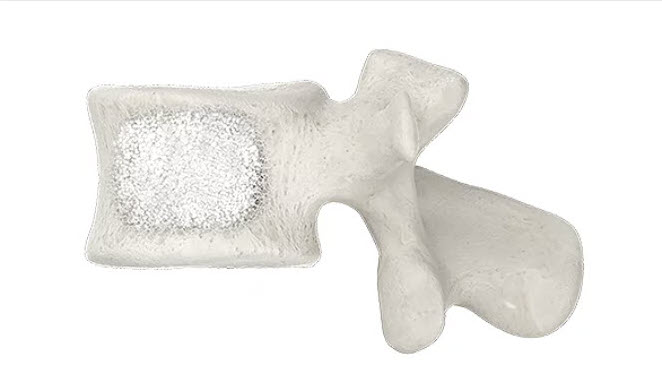
Cement is injected into the vertebral body to stabilise it. No balloon or permanent metal implants are used.
The main goal is to stabilise the fracture.
About this treatment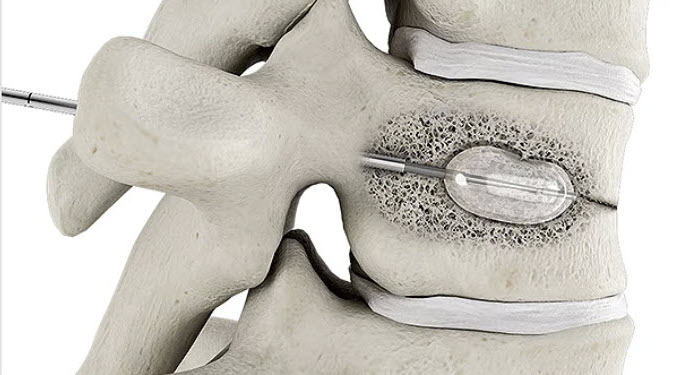
A balloon creates a cavity. The balloon is removed and cement is injected. Partial height correction may be possible in some cases.
The balloon does not remain in the vertebra.
About this treatment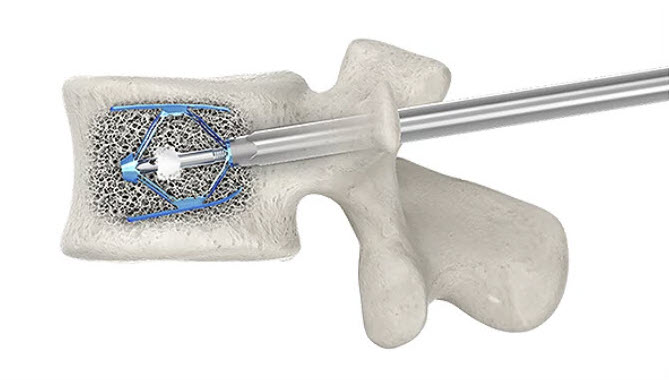
Expandable titanium implants may help correct the deformity. They remain in the vertebra, and cement is then injected.
What can be achieved depends on the individual fracture.
About this treatmentComparison
| Feature | Vertebroplasty | Balloon kyphoplasty | SpineJack |
|---|---|---|---|
| Mechanism | Injection of bone cement | A balloon creates a cavity, then cement is injected | Expandable titanium implants and cement |
| What remains in the vertebra | Bone cement | Bone cement; the balloon is removed | Titanium implants and bone cement |
| Potential for height correction | Stabilisation is the main goal | Partial correction may be possible | Correction and support of the achieved position may be possible |
No treatment guarantees a specific degree of height restoration or the same outcome for everyone. Read more in the professor's article.
The decision starts with your symptoms and examinations, rather than a technology name.
Symptoms, when the pain started, previous treatment and your overall condition.
The cause, age and structure of the fracture, any deformity and bone quality.
What each treatment can achieve, its limitations and risks, and the anaesthesia plan.
In the operating theatre
Following preparation and anaesthesia, the procedure is performed under X-ray guidance. Afterwards, the care team monitors the patient.
Risks depend on the treatment and the patient's condition. They are discussed before a decision is made.
The anaesthetist agrees the final plan. Source.
The patient gets up after recovering from anaesthesia and having their condition assessed. A rehabilitation specialist supervises the first time out of bed.
If your condition is stable and you have been out of bed, same-day discharge may be possible. Monitoring continues for longer if needed.
The timing is decided individually. Aftercare information.
Preparation
After your examinations have been reviewed, you will receive individual preparation instructions.
After discharge
Discuss walking, sitting and increasing activity with your rehabilitation specialist.
The need for a brace, exercises and a return to work or sport depend on your condition and fracture. You will agree these with your rehabilitation specialist.
The procedure does not treat osteoporosis. Its treatment is agreed separately with your treating doctor.
Clinical examples
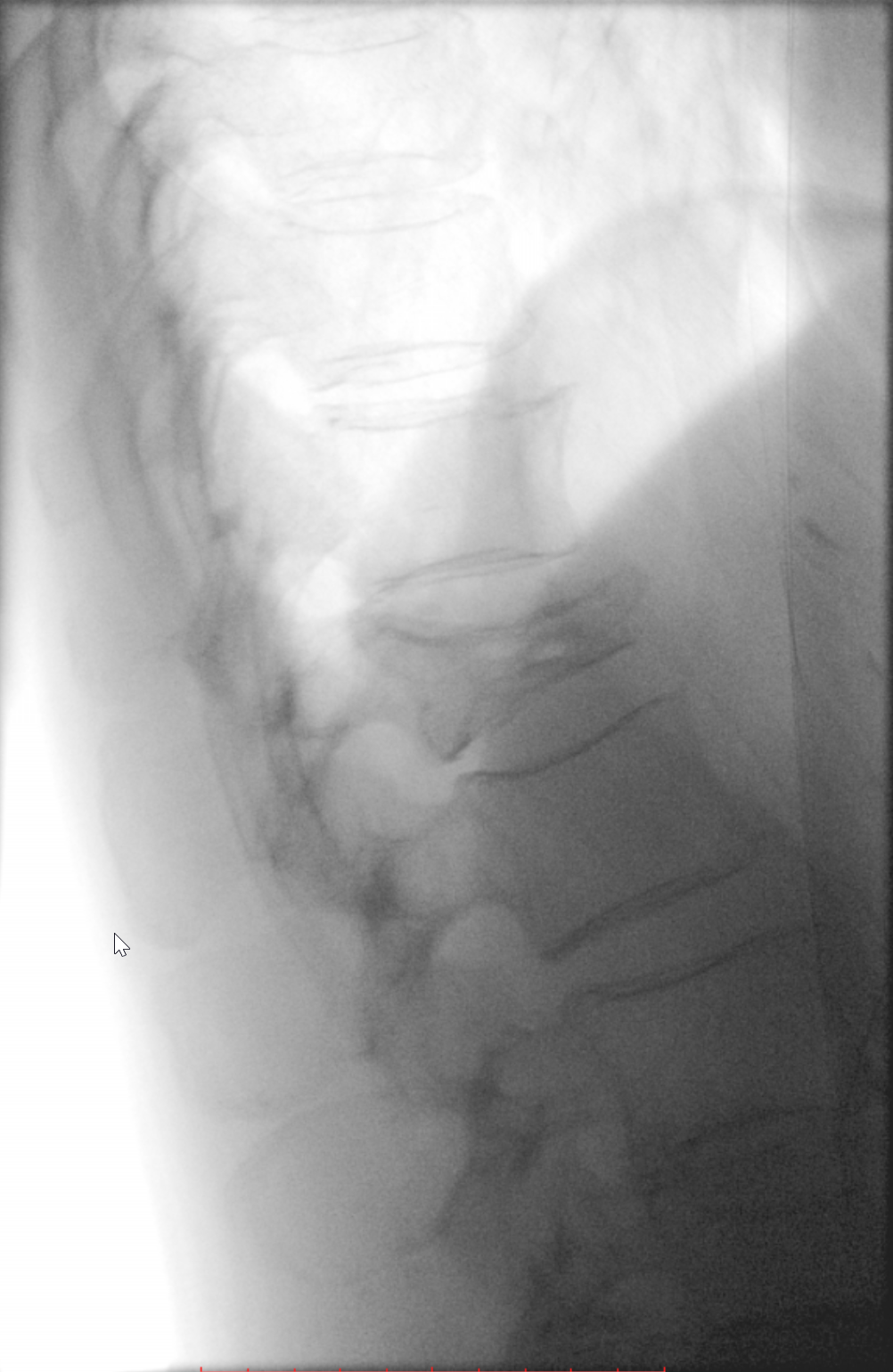
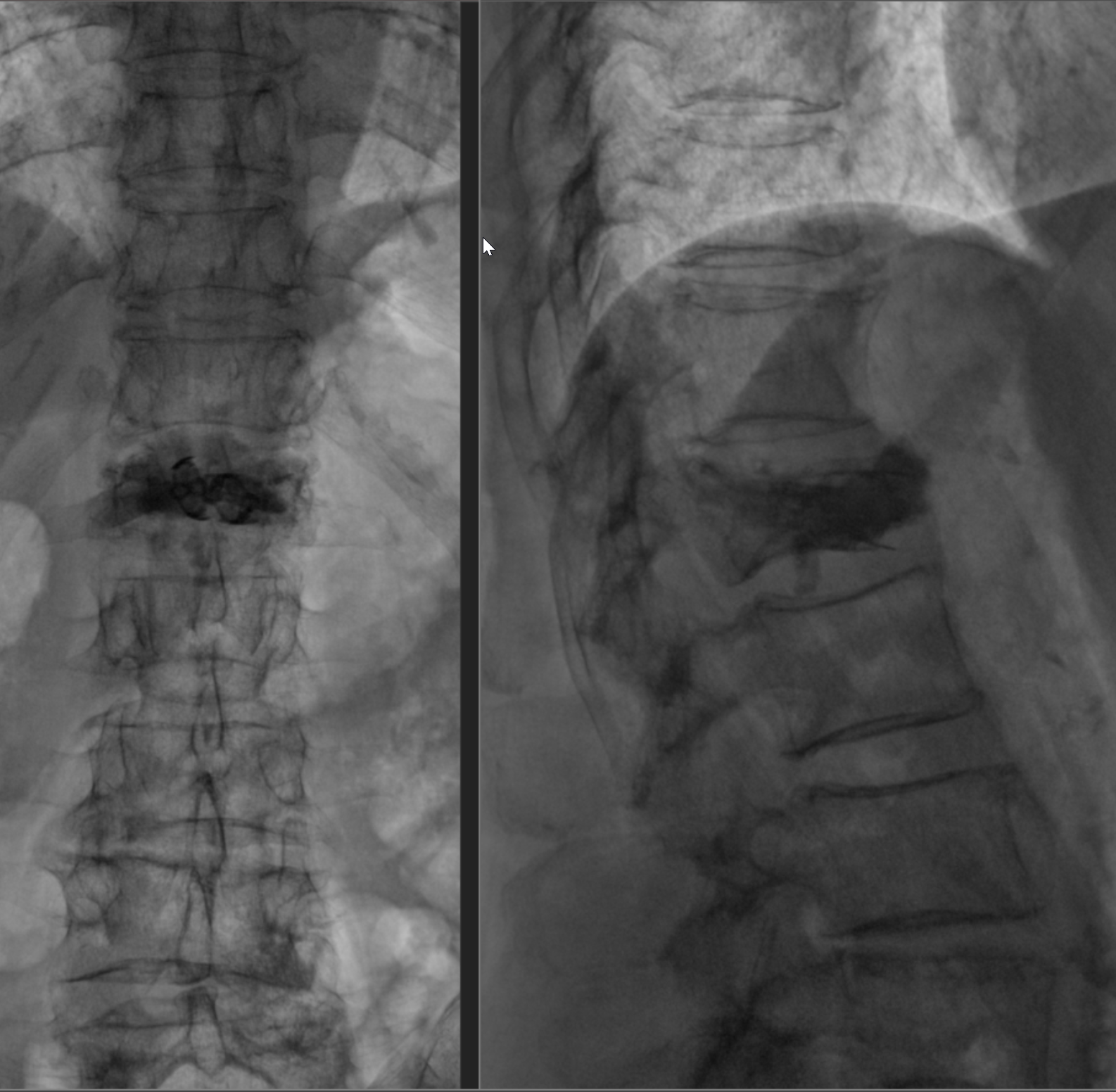
A clinical case treated with SpineJack.
Professor Iakiv Fishchenko
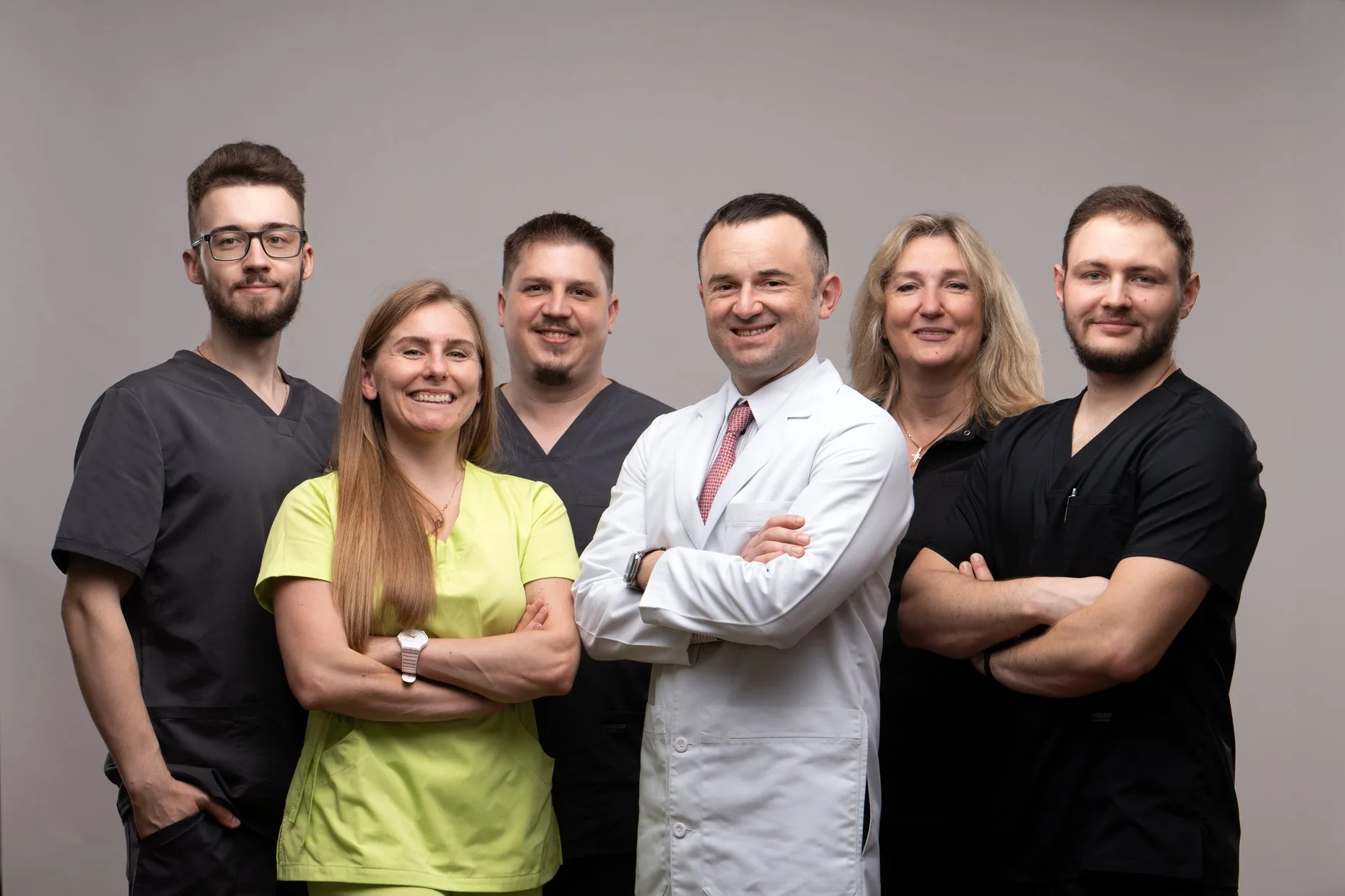
Professor and Doctor of Medical Sciences. His patient information describes personal experience of more than 1,000 vertebroplasty, balloon kyphoplasty and SpineJack procedures combined since 2007.
This is the author's combined total for all three treatments. The professor confirmed that the information was current in September 2026.
Costs
The total treatment cost and included services are agreed after the treatment plan has been determined.
Administrator: +38 094 821 08 30Quick answers
No. Treatment is selected individually after assessing symptoms, overall health and imaging. Non-surgical treatment is appropriate for some patients.
The initial CT/MRI review is free. The professor replies on the day the scans are received.
Send an archive containing the entire CT/MRI disc, or a link to it, the patient's surname, given name and patronymic if applicable, a brief symptom description and any available report. Use Telegram or email. If sending by email, include the patient's full name in both the email and the Telegram conversation. How to prepare your records.
No. Vertebroplasty, balloon kyphoplasty and SpineJack have different mechanisms and capabilities. The choice depends on the fracture, bone quality and the patient's overall condition.
According to the professor's materials, vertebroplasty and balloon kyphoplasty are performed under local anaesthesia with sedation, and SpineJack under general anaesthesia. The anaesthetist agrees the final plan.
After recovering from anaesthesia and having your condition assessed. A rehabilitation specialist supervises the first time out of bed; the timing is individual.
Not everyone needs a brace. Whether one is needed, its type and how long it is worn are decided individually and agreed with a rehabilitation specialist.
No. It stabilises the damaged vertebra. Osteoporosis requires separate assessment and treatment under the care of an appropriate specialist.
Consumable material costs: vertebroplasty from UAH 40,000; balloon kyphoplasty from UAH 70,000; SpineJack from UAH 70,000. Agree the total treatment cost and included services with the administrator.
Next step
Initial review is free. A reply on the day your scans are received.
Compress the entire contents of your CT or MRI disc into one archive.
Send the archive or a link via Telegram or to one of the email addresses. Include the patient's surname, given name and patronymic if applicable, and a brief description of symptoms.
Or use one of these email addresses